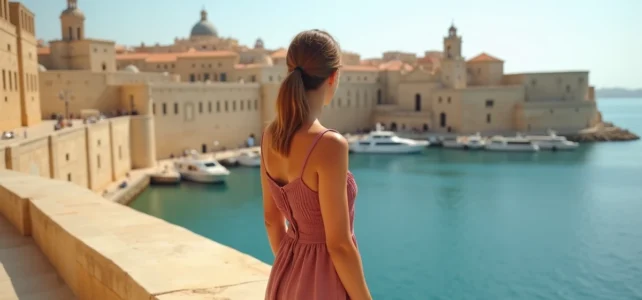
Renting a car in Malta or doing everything by bus and ferry is the first question that conditions the rest of the week. On the main island, distances are short, but the road network quickly gets congested around Sliema and Valletta, especially in summer. For Gozo, the pace changes: clear roads, spaced-out villages, and a ferry from Ċirkewwa that departs approximately every forty-five minutes.
Environmental Contribution and Actual Budget for a Stay in Malta in 2026
Since July 1, 2026, the Maltese Environmental Contribution has increased from €0.50 to €1.50 per person per night. The cap per stay now reaches €22.50 per person, up from €5 previously. The tax applies to all travelers aged 18 and over in licensed accommodation, whether it’s a hotel in Valletta, an apartment in Sliema, or a farmhouse in Gozo.
For a couple staying seven nights, this shifts from a nearly symbolic eco-tax to about twenty euros in total. It’s not a huge amount, but combined with the cost of a rental car and ferry crossings, it deserves to be included in the budget from the start. You can even build a Malta itinerary on Concept Voyages that takes these logistical constraints into account right from the booking.
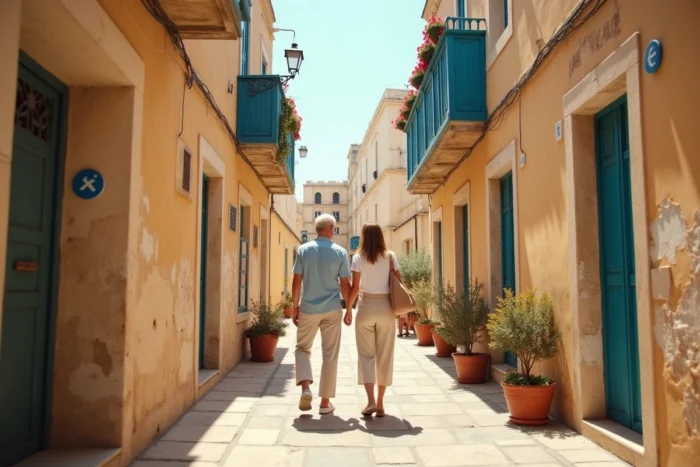
Another point to check: since June 15, 2026, the new Tourism Accommodation Regulations (S.L. 409.24) require a valid MTA license for any short-term rental. An apartment without a license cannot even be advertised legally. Basement rooms are also prohibited for short-lets. Before booking, make sure the listing displays a license number.
Three Days on the Island of Malta: Valletta, Mdina, and the South Coast
We start with Valletta, and not just for St. John’s Co-Cathedral. The city can be explored on foot in a full day. The Upper Barracca Gardens offer a stunning view over the Grand Harbour and the Three Cities across the way. In the late afternoon, heading down to the waterfront area for dinner is more pleasant than staying in the touristy streets of Republic Street.
The next day, we head to Mdina. This ancient fortified capital is tiny, but the atmosphere changes radically compared to Valletta. Few shops, quiet alleys, and an unobstructed view of the interior of the island from the ramparts. It’s easy to combine with Rabat, right next door, for the St. Paul’s Catacombs.
On the third day, we head south. Marsaxlokk remains the most photogenic fishing village in the archipelago, especially on Sunday mornings with its fish market. From there, the south coast offers cliffs and coves that are less crowded than the north coast. Returns vary at St Peter’s Pool (crowded or quiet depending on the time), but going early in the morning solves the problem.
Two Days in Gozo: Farmhouses, Cliffs, and Secluded Beaches
We take the ferry from Ċirkewwa to Mġarr in Gozo. The island deserves two nights, not just a day trip. Staying in a farmhouse with a pool is the experience that most travelers cite as their best memory of the archipelago.
- Victoria (Rabat) and its citadel: the heart of Gozo, with a 360° view of the island from the ramparts. We spend a morning there, no more.
- The salt pans of Marsalforn: basins carved into the rock by the sea, still used by a few families. Less known than the main spots, but visually striking.
- Ramla Bay: the largest sandy beach in Gozo, with distinctive ochre-red sand. Accessible by car or bus from Victoria.
- The cliffs of Ta’ Ċenċ: a limestone plateau that drops steeply into the sea, without barriers or facilities. We go there in the late afternoon for the light.
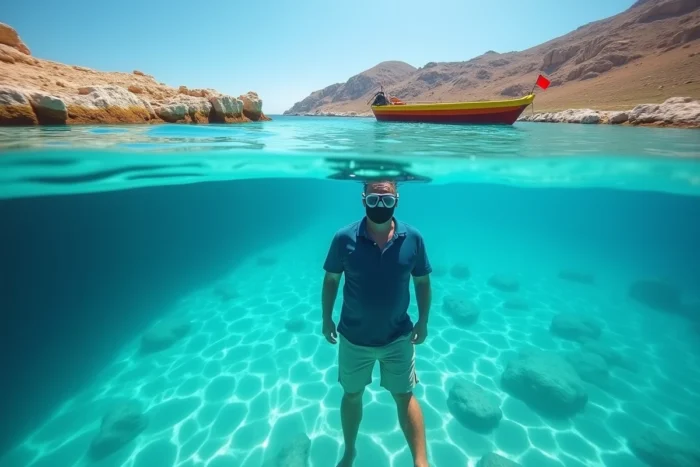
The pace in Gozo is slower. It takes ten minutes to drive between two villages, you encounter few people off-season, and restaurants serve more pronounced local cuisine than in Malta (goat cheese ravioli, rabbit in sauce). This is also where the rental car makes the most sense: the Gozo bus network is limited.
Comino and the Last Two Days: Beach, Diving, and Return to Sliema
Comino is mainly about the Blue Lagoon. The water is clear, the setting is spectacular, but the crowds in summer can spoil the experience. We go in the morning on the first boat from Mġarr (Gozo) or from Ċirkewwa (Malta). Half a day is enough.
For the last two days, we return to Malta. Sliema and St Julian’s concentrate hotels with pools, restaurants, and nightlife. It’s a practical base for a final day of diving or snorkeling. The coast between St Julian’s and Pembroke offers easy water entry spots.
- Golden Bay and Għajn Tuffieħa: two sandy beaches on the northwest coast, accessible by bus from Sliema. Golden Bay is more developed, while Għajn Tuffieħa is wilder (steep stairs to get down).
- Dingli Cliffs: the highest point in Malta, with cliffs facing the open sea. A quick stop by car on the way back to the airport.
- The Three Cities (Vittoriosa, Senglea, Cospicua): accessible by traditional boat from Valletta. Less touristy than the center, with massive fortifications and quiet alleys.
A week-long stay in Malta and Gozo leaves little downtime if you want to cover both islands and Comino. The key is not to underestimate Gozo: a minimum of two nights changes the nature of the trip. And checking the license of your accommodation before booking avoids unpleasant surprises with the 2026 regulations.