
Pet insurance is a contract that covers all or part of the veterinary expenses related to accidents and illnesses of your dog or cat. In France, only 5 to 6% of pets are covered by this type of contract, while the country has more than 25 million dogs and cats.
This low coverage rate contrasts with the structural increase in veterinary fees, which makes the question of subscribing increasingly relevant.
Unregulated veterinary fees: what a contract really covers
Veterinary fees in France are freely set by each practitioner, subject only to the principle of “tact and measure” emphasized by the National Order of Veterinarians. Prices can therefore vary greatly from one practice to another, and costs can double or triple depending on the region.
This lack of national regulation partly explains the approximately 5% increase over one year and 20% over ten years reported by the union of liberal veterinarians. General inflation, the cost of medications, and the increasing sophistication of clinical techniques fuel this trend.
In light of these amounts, the information available on pet insurance on animal-liberation.net helps to better understand how a contract absorbs these unpredictable expenses. The principle remains the same regardless of the insurer: after paying the bill at the veterinarian, the owner submits the receipts and receives a reimbursement according to the rate and ceiling specified in the contract.
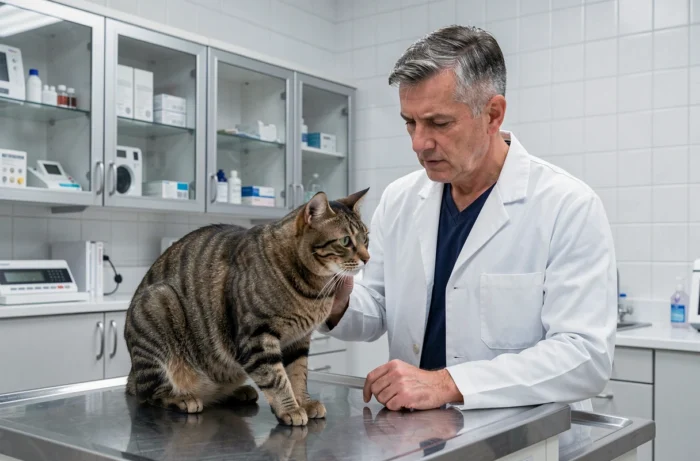
Pet insurance coverage: accident, illness, and prevention
A pet health insurance contract is based on three distinct blocks of coverage. Not all insurers offer them at the same level, and this is where comparison makes sense.
Accident coverage
This is the minimum base. It covers consultations, examinations, surgical interventions, and hospitalizations resulting from an accident (fracture, ingestion of a foreign body, bite). The most basic plans often limit themselves to this single coverage.
Illness coverage
Illness coverage distinguishes entry-level plans from intermediate plans. It covers pathologies diagnosed after subscription: infections, chronic digestive disorders, cancers, skin diseases. Hereditary or congenital conditions are frequently excluded, especially in predisposed breeds.
Prevention package
Some plans include an annual package dedicated to preventive actions: vaccinations, deworming, dental cleaning, sterilization. This package, usually capped, reduces the out-of-pocket expenses for regular and planned care.
Exclusions and waiting periods: the traps of the contract
Exclusions are listed in the general conditions, but few owners read them before the first claim. Knowing them in advance avoids costly surprises.
- The waiting period is the time between signing the contract and the effective activation of the coverage. For illness, it often lasts several weeks, sometimes longer for certain pathologies. An illness declared during this period will not be reimbursed.
- Pre-existing conditions, diagnosed or showing symptoms before subscription, are systematically excluded. The insurer may require a certificate of good health issued by a veterinarian.
- Age limits at subscription vary by insurer. An animal that is too old may be denied coverage or may only obtain an accident plan without illness coverage.
- Convenience procedures (ear cropping, tail docking where the law still allows it) and costs related to reproduction are generally excluded.
A contract refused at renewal is a rare but documented case. The insurer may cite excessive claims or a change in pricing policy. Checking the cancellation clauses before signing remains a useful precaution.

Choosing a plan suitable for your pet’s age and breed
The amount of the premium depends on three main variables: species (dog or cat), breed, and age of the animal. A large breed dog costs more to insure than a European cat because its average veterinary expenses are statistically higher.
Subscribing early allows for a lower premium and avoids age-related exclusions. A healthy puppy or kitten has access to all available plans, including the most comprehensive ones. From a certain age, the options become limited.
Three criteria deserve special attention when comparing offers:
- The reimbursement rate (often expressed as a percentage of the actual bill) and the annual coverage limit. A high rate with a low limit can be misleading for a major intervention.
- The amount of the deductible per act or per year. A high deductible reduces the premium but increases the out-of-pocket expenses for minor care.
- The presence or absence of a prevention package, which makes the contract worthwhile even in years without accidents or illnesses.
The comparison between personal savings and insurance often comes up in discussions. Savings protect against small expenses, but not against an unforeseen surgical intervention that can reach several thousand euros. Insurance pools this financial risk.
The French pet insurance market has been experiencing strong growth since 2020, with a diversifying offer. This increased competition among insurers benefits owners, who find more flexible plans than a few years ago. Comparing coverage, exclusions, and limits before signing remains the best way to avoid a contract that does not fit the reality of your pet’s care.