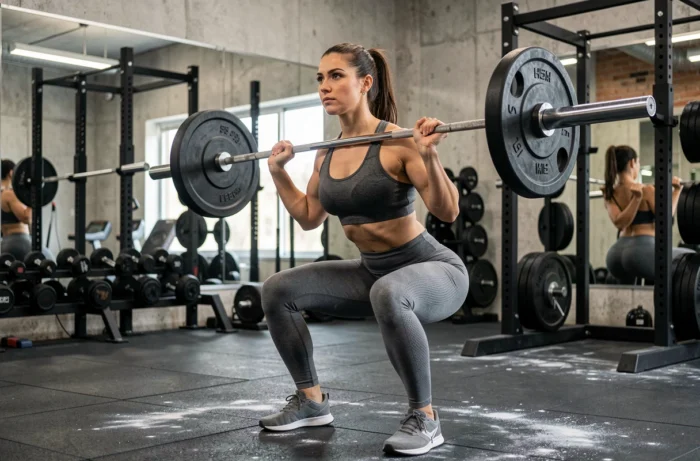
Fitness encompasses dozens of practices, from strength training to cardio and joint mobility. Measuring the real impact of each component on physical fitness requires comparing their effects on specific parameters: cardiovascular capacity, energy expenditure, preservation of muscle mass, and stress reduction. This article analyzes these parameters to identify the most effective levers.
Sedentary Time and Physical Activity: What Recent Recommendations Measure
The WHO Guidelines on Physical Activity and Sedentary Behaviour (2020), still in effect and regularly cited in publications from 2026, introduced a paradigm shift. Reducing sitting time is as important as exercising. The approach is no longer limited to weekly exercise volume: it explicitly incorporates the fight against sedentary behavior as an independent variable of physical fitness.
Another notable point: the minimum threshold of ten consecutive minutes of activity has been abandoned. Short periods accumulated throughout the day (stairs, brisk walking between appointments, micro-sessions of planking) now count towards the total. For those returning to activity after a long break, this fragmentation logic makes fitness on Ultra Sport accessible without a dedicated time block.
| Parameter | Old Approach | Current Approach (WHO 2020) |
|---|---|---|
| Minimum Duration per Session | 10 continuous minutes | Any cumulative duration |
| Main Target | Weekly exercise volume | Exercise volume + reduction of sedentary time |
| Types of Activities Valued | Cardio and strength | Cardio, strength, balance, mobility |
| Target Population | Active adults | Everyone, including people with reduced mobility and seniors |
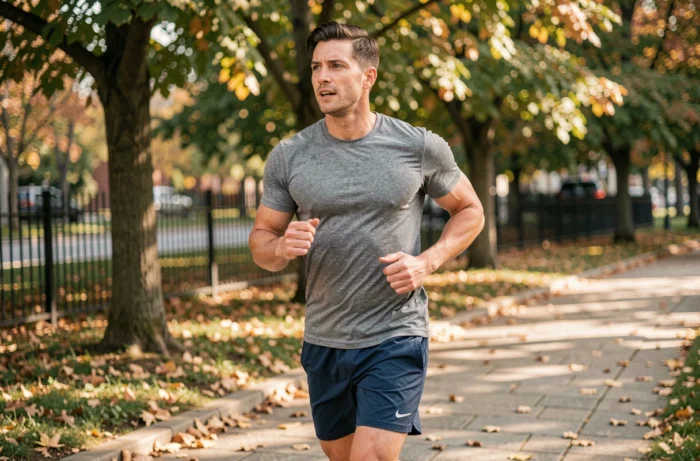
Cardio, Strength Training, and Mobility: Compared Effects on Fitness
The three pillars of fitness do not affect the same health indicators. Cardio improves aerobic capacity and heart health. Strength training preserves lean mass and increases the basal metabolic rate, meaning higher calorie expenditure even at rest. Mobility, often overlooked, affects joint range and injury prevention.
For those over 65, recent recommendations emphasize so-called “multicomponent” activities that combine balance, strength, and cardio. The primary goal is not performance, but fall prevention through regular balance work. General articles on fitness rarely address this angle, even though it concerns an increasing portion of the population.
Weekly Distribution According to Fitness Goals
- Weight Loss: prioritize moderate cardio (brisk walking, cycling, swimming) combined with two strength training sessions to maintain lean mass during a calorie deficit
- Strength Gain: three to four weight training sessions per week, gradually increasing the load, with a recovery day between each session targeting the same muscle group
- Overall Health and Stress Management: alternate cardio, strength, and mobility or balance exercises, aiming for a varied distribution throughout the week rather than a single repeated format
Smartwatches and Fitness Tracking: The Limits to Know
Wearables have established themselves as training companions. Heart rate, step count, estimated calorie expenditure: data accumulates on the wrist. These sensors are not yet reliable for predicting or preventing injuries. A narrative review published in August 2026 concludes that current technology does not allow for autonomous injury prevention based solely on data from smartwatches.
This finding does not disqualify wearables for tracking fitness. They remain useful for observing trends: changes in resting heart rate, training regularity, sleep quality. However, relying on a watch alert to adjust the intensity of a session in hopes of avoiding an injury is still premature.
Health Data and Privacy
The massive collection of biometric data by fitness apps also raises a privacy question. European regulations govern the processing of this data, but the granularity of shared information (GPS location, continuous heart rate, sleep habits) exceeds what most users imagine. Checking sharing settings before activating a tracker remains a practical precaution.

Nutrition and Recovery: Two Often Underestimated Variables in Fitness
Training only produces results if nutrition and recovery follow suit. Sufficient protein intake supports muscle rebuilding after effort. Carbohydrates fuel cardio sessions. Fats contribute to hormonal regulation. None of these macronutrients should be eliminated.
Sleep directly affects muscle recovery and performance. Chronic sleep deprivation reduces the ability to maintain intense effort and alters appetite regulation. Before adding an extra session to the week, checking the quality of one’s nights often yields better results.
- Proteins: distribute intake over several meals rather than concentrating it in one, to promote muscle synthesis throughout the day
- Hydration: drink regularly before, during, and after effort, without waiting for the sensation of thirst which appears late
- Active Rest: incorporate recovery days with gentle activities (walking, stretching, yoga) rather than total inactivity, to maintain blood circulation without overloading the muscles
The abandonment of the ten-minute threshold and the emphasis on reducing sedentary time change the way fitness is approached daily. The most useful data is not the number of weekly sessions, but the ratio between time spent moving and time spent sitting. Adjusting this ratio, even through small fragmented changes throughout the day, produces measurable effects on physical fitness and mental health.