
Preparing a tasty meal at home requires neither professional equipment nor hours of work. A few well-chosen ingredients, a clear method, and a minimum of organization are enough to create dishes that rival those of a restaurant. The real lever is not the complexity of the recipe, but the mastery of a few simple gestures that you repeat until they become automatic.
Pan Cooking: The Gesture That Transforms an Easy Dish
Have you ever noticed that the same chicken fillet can be dry and bland or juicy and golden depending on how it is seared? The difference rarely lies in the recipe. It depends on the temperature of the pan and the moment you place the meat on it.
The principle is simple. Heat your pan over high heat with a drizzle of oil until it lightly smokes. Then place the piece of meat or fish in the pan without moving it for two to three minutes. This waiting period creates the Maillard reaction, a golden crust that concentrates the flavors. It is this crust that transforms a mundane dish into a gourmet one.
Only flip the piece once, when it naturally releases from the pan. Flipping it multiple times causes the juices to escape and dries out the meat. This reflex applies equally to a chicken breast, a salmon fillet, or slices of zucchini.
To explore other techniques of this kind, the cooking recipes on Gourmandel detail each step with cooking times suitable for both beginners and more experienced cooks.
Gourmet Pasta Recipes: Three Variations from a Single Base
Pasta is the ideal playground for understanding how an easy recipe works. The base doesn’t change: boil salted water, cook the pasta al dente, and reserve a cup of cooking water. It’s the sauce that does all the work.
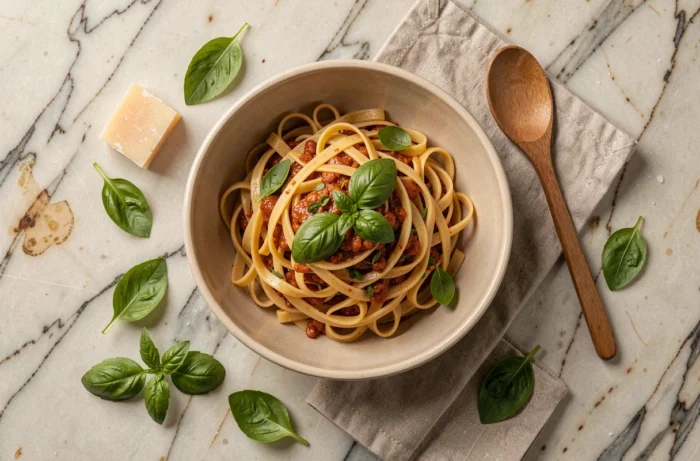
Express Tomato Sauce with Vegetables
Sauté minced garlic and an onion in olive oil. Add crushed tomatoes (fresh in summer, canned the rest of the year). Let it reduce for about ten minutes, season with salt and pepper. The secret to a successful tomato sauce is slow reduction that concentrates the flavor without adding sugar.
Cream and Mushroom Pasta
Replace the tomatoes with thickly sliced button mushrooms, sautéed over high heat. Deglaze with a bit of fresh cream and the reserved pasta cooking water. The starch in this water naturally thickens the sauce.
Express Version: Garlic, Oil, and Chili
This is the fastest recipe there is. While the pasta cooks, brown garlic in its skin in olive oil with a pinch of chili. Pour the drained pasta directly into the pan, mix. Less than ten minutes from start to plate.
These three variations share one common point: they require only four or five ingredients. When the pantry is empty, pasta is the way to go.
Seasonal Vegetables: Cooking According to What’s Available
Many failed meals start with a shopping mistake. Buying tomatoes in the middle of winter, for example, guarantees a bland result. Cooking with seasonal ingredients enhances flavor without extra effort, because the product does the work for you.
In summer, zucchini, tomatoes, eggplants, and peppers lend themselves to simple preparations. A cheesy zucchini gratin takes about fifteen minutes to prepare. Halved tomatoes, salted, oiled, and roasted in the oven become a complete side dish.
- Zucchini: sautéed, in gratin, stuffed with rice and sausage meat, or raw grated in salad
- Tomatoes: in sauce, in salad with mozzarella, roasted in the oven with herbs de Provence
- Eggplants: grilled on a plancha, in eggplant caviar blended with garlic and lemon, or layered in a simplified moussaka
- Peppers: marinated after roasting (the skin peels off easily once cooled), or cut into strips in a wok with chicken
This reasoning works year-round. In autumn, squashes and mushrooms take over. In winter, leeks and cabbages. Adapting your menu to seasonal vegetables reduces grocery costs and simplifies the ingredient list.

Nutri-Score and Homemade Dishes: Why Cooking Regains the Advantage
The recent update of the Nutri-Score algorithm has tightened the thresholds for sugar and salt. Santé publique France estimates that nearly one in three to four products will see their score change. Specifically, prepared dishes labeled B could drop to C or D.
For consumers who buy industrial dishes for convenience, this reclassification creates a paradox. The product hasn’t changed, but its score deteriorates. Preparing your own meals remains the most reliable way to control salt and sugar content.
A concrete example: a homemade vegetable soup contains water, vegetables, a bit of salt, and possibly cream. Its industrial version often adds thickeners, sugar, and a higher amount of salt. With the new calculation, this gap becomes visible on the label.
Building a Weekly Menu with Easy Recipes
Planning meals for five to seven days avoids two common problems: throwing away forgotten food at the back of the refrigerator and ordering takeout due to a lack of ideas.
- Choose one protein per day (chicken, fish, eggs, legumes) and build the meal around it
- Plan at least two meals based on transformed leftovers (Sunday’s roast chicken becomes a salad on Monday)
- Limit grocery trips to two per week to avoid impulse purchases
Sunday batch cooking prepares the entire week in two hours. Cooking rice, roasting vegetables, and preparing a sauce in large quantities allows for assembling different dishes each evening without starting from scratch.
Cooking at home, in essence, is based on a simple principle: repeat the same foundations (good cooking, seasonal vegetables, a mastered sauce) while varying the combinations. The pleasure comes from consistency, not performance.